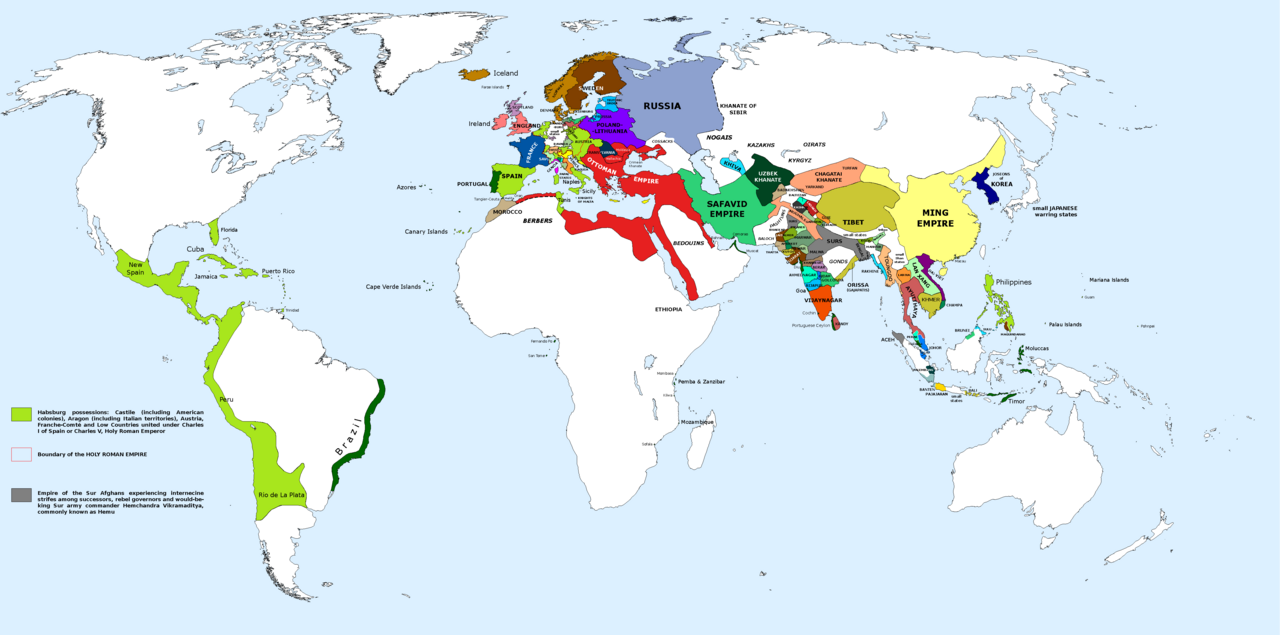
The vast tapestry of history is filled with moments of discovery, exchange, and transformation. Few periods exemplify this more profoundly than the Age of Exploration, particularly the 16th century, when European seafarers forged new paths across the Atlantic. These intrepid voyages didn't just redrew maps; they reshaped ecosystems, diets, and cultures on both continents. A compelling question often arises when we consider this period: what originally came from America and arrived in Europe in the 16th century through Spanish seafarers? This question recently captivated audiences on the popular German quiz show "Wer wird Millionär?" (the equivalent of "Who Wants to Be a Millionaire?"), highlighting a fascinating chapter in global botanical history.
The "Wer wird Millionär?" Conundrum: Unearthing Transatlantic Transfers
The challenge posed by host Günther Jauch to contestant Christian Evangelou was a testament to the intricate historical knowledge often hidden beneath everyday facts. Evangelou was faced with a 32,000-euro question asking precisely what originated in America and was transported to Europe by Spanish seafarers in the 16th century. The options presented were:
- Sunflowers
- Moles
- Horse Chestnuts
- Mosquitoes
Initially stumped, Evangelou utilized his lifelines, revealing the difficulty of pinpointing such specific historical transfers. Even his knowledgeable phone-a-friend joker could only narrow it down to sunflowers or horse chestnuts. Ultimately, taking a calculated risk after a 50:50 lifeline, Evangelou chose sunflowers – a decision that proved to be correct. This moment brought into sharp focus the often-overlooked journeys of plants and animals that profoundly impacted the Old World.
Unpacking the Options: Why Sunflowers Stood Tall
While the quiz show focused on the correct answer, understanding why the other options were incorrect sheds further light on the complexities of transatlantic exchange:
- Moles (Maulwürfe): These burrowing mammals are indeed fascinating creatures, but their presence in Europe predates any 16th-century Spanish voyages. European moles (Talpa europaea) are indigenous to large parts of Eurasia, and thus, were not an import from the Americas. The idea of Spanish seafarers transporting moles across the Atlantic is, frankly, quite amusing to imagine but historically unfounded.
- Horse Chestnuts (Rosskastanien): A common sight in European parks and avenues, the horse chestnut tree (Aesculus hippocastanum) might seem like a candidate for an American origin due to the existence of related species like the Ohio Buckeye in North America. However, the common horse chestnut tree originated not in America, but in the Balkan peninsula, particularly in regions of Greece, Albania, and Bulgaria. It was introduced to Western Europe much later, primarily in the late 16th and early 17th centuries, but its journey was largely eastward from its native range, not westward across the Atlantic.
- Mosquitoes (Stechmücken): Mosquitoes are ubiquitous across the globe, and while specific species or disease vectors might have traveled between continents (and indeed, invasive species are a modern concern), the general concept of "mosquitoes" being a new import from America to Europe in the 16th century is incorrect. Europe already had its native mosquito populations. The crucial distinction here is between the general presence of a creature and the introduction of a *novel* species.
This leaves us with the radiant sunflower, a plant whose history is as vibrant as its petals.
The Humble Sunflower's Grand Journey to Europe
The common sunflower (Helianthus annuus) is much more than just a pretty face; it's a testament to ancient cultivation and global dissemination. Originating in North America, particularly in the region stretching from the Rocky Mountains in the USA down to parts of Mexico and Peru, sunflowers have a rich indigenous history. Archaeological evidence suggests they were cultivated by Native American communities as far back as 3000 BCE, long before corn.
Native Americans harvested sunflowers for their nutritious seeds, which were ground into flour, used to extract oil, and eaten whole. The plant's versatility and resilience made it a vital food source and a component of various cultural practices. It was this ancient, domesticated plant that caught the eye of early Spanish explorers and colonizers during their incursions into the Americas in the 16th century.
Spanish seafarers, always on the lookout for new resources, exotic plants, and potential cash crops, brought sunflower seeds back to Europe. Initially, the sunflower was largely regarded as an ornamental curiosity, a striking botanical specimen for gardens and aristocratic estates. Its heliotropic nature – the way its head tracks the sun across the sky – was a marvel that fascinated European naturalists and gardeners alike. Over time, its practical uses began to be recognized, particularly for its oil, which would eventually become a staple cooking oil and a component in various industrial applications across the continent.
Today, with over 60 recognized species, the sunflower is a global agricultural giant, cultivated extensively for its oil, seeds, and even as forage. Its journey from the American plains to European fields and kitchens is a powerful example of how a single plant can transcend continents and centuries, enriching lives and economies along the way. For those curious about the broader spectrum of these historical exchanges, our related articles offer deeper dives: Was Stammt Ursprünglich Aus Amerika Und Gelangt Im 16 Jahrhundert Durch Spanische Seefahrer Nach Europa - Article 1 and Was Stammt Ursprünglich Aus Amerika Und Gelangt Im 16 Jahrhundert Durch Spanische Seefahrer Nach Europa - Article 3.
The Columbian Exchange: A World Transformed by Transatlantic Transfers
The story of the sunflower is but one thread in the vast tapestry of what historians call the Columbian Exchange. This term refers to the widespread transfer of plants, animals, culture, human populations, technology, diseases, and ideas between the Americas (the New World) and the Old World (Europe, Africa, and Asia) in the 15th and 16th centuries, following Christopher Columbus's 1492 voyage. The Spanish seafarers of the 16th century were key facilitators of this unprecedented global exchange.
Beyond sunflowers, a plethora of other transformative plants made their way from America to Europe, fundamentally altering European diets, agriculture, and economies:
- Potatoes: Perhaps one of the most significant introductions, potatoes became a staple crop in many parts of Europe, particularly Ireland, revolutionizing food security despite leading to tragic dependency in some cases.
- Tomatoes: Initially viewed with suspicion and even fear (due to their relation to nightshades), tomatoes eventually became a cornerstone of Mediterranean cuisine, unimaginable without them today.
- Corn (Maize): A versatile grain that provided high caloric yield, corn became an important feed crop for livestock and a human food source, especially in Southern Europe.
- Chili Peppers: From mild bell peppers to fiery habaneros, these American plants spiced up global cuisine and found homes in diverse culinary traditions.
- Cacao (Chocolate): A sacred drink in Mesoamerica, cacao beans were introduced to Europe, eventually leading to the global chocolate industry.
- Tobacco: A plant with ritualistic significance in Native American cultures, tobacco quickly became a highly sought-after commodity in Europe, driving massive economic and social changes, albeit with significant health consequences.
Conversely, the Old World introduced wheat, sugar cane, coffee, horses, cattle, pigs, and devastating diseases like smallpox and measles to the Americas. This two-way street of biological and cultural exchange permanently reshaped the demographic, environmental, and cultural landscapes of both worlds. The impact of what originally came from America and arrived in Europe in the 16th century through Spanish seafarers extends far beyond individual plants; it represents a foundational shift in global history.
The Lasting Legacy: How New World Plants Shaped Old World Culture
The journey of plants like the sunflower, and indeed many others, from the Americas to Europe in the 16th century was not merely a botanical transfer; it was a cultural revolution. These new crops didn't just add variety to European plates; they provided new sources of nutrition, altered agricultural practices, and spurred economic growth. The potato, for instance, could grow in poor soils and yielded more calories per acre than traditional European grains, contributing to population booms. Tomatoes and chili peppers diversified culinary traditions, giving rise to iconic dishes that define national cuisines today.
Beyond the table, some plants had broader societal impacts. Tobacco, for example, fueled a new social habit and became a massive cash crop that drove colonial economies. The introduction of these foreign species challenged existing botanical knowledge, spurred scientific inquiry, and fueled the establishment of botanical gardens and scientific societies across Europe. The vibrant colors of sunflowers and other American flowers also inspired artists and gardeners, adding new aesthetics to European landscapes and art.
Understanding these historical transfers allows us to appreciate the interconnectedness of our world and the profound, long-lasting effects of human exploration. The next time you enjoy sunflower oil, a potato dish, or a piece of chocolate, remember the journey these ingredients made from distant lands, carried by adventurous seafarers centuries ago.
Conclusion
The seemingly simple quiz show question – what originally came from America and arrived in Europe in the 16th century through Spanish seafarers? – unlocks a rich vein of historical narrative. The humble sunflower, once a staple of Native American diets and an ornamental curiosity in European gardens, stands as a symbol of the profound and often overlooked exchanges that defined the Age of Discovery. These transatlantic transfers, encapsulated by the Columbian Exchange, forever altered the course of human history, agriculture, and culture on both sides of the Atlantic. From dietary staples to ornamental beauty, the contributions of the New World, brought across vast oceans by Spanish ships, continue to shape our lives in countless, often unnoticed, ways.