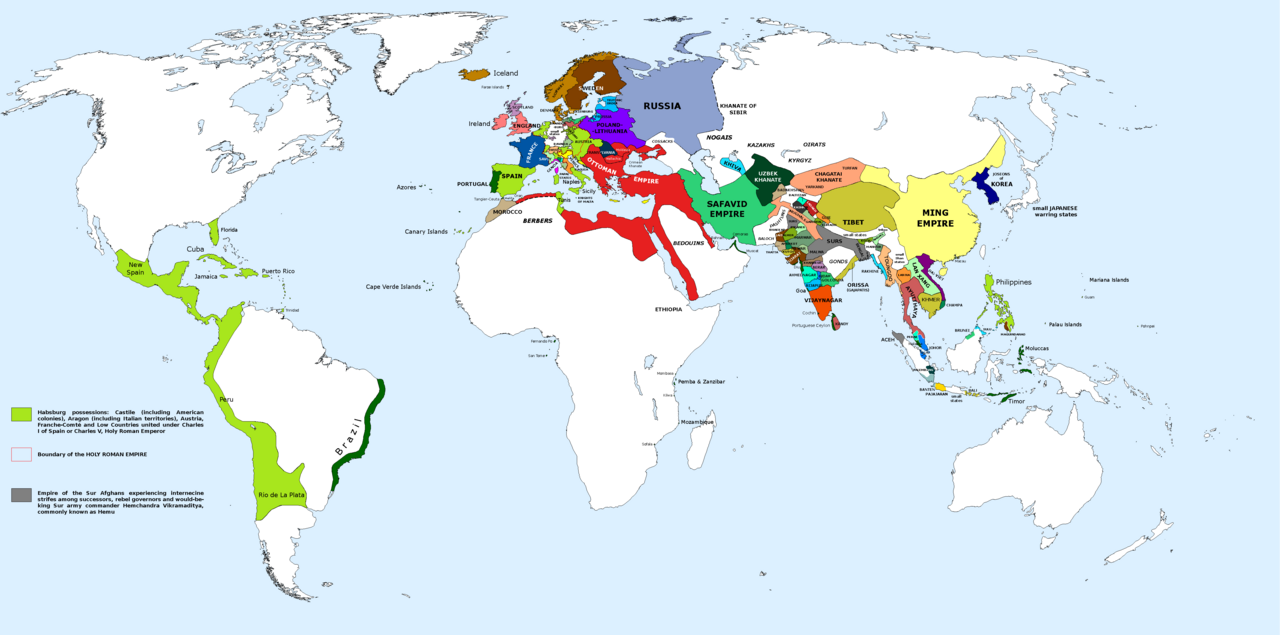
The tapestry of European history is rich with threads woven from distant lands, none more vibrant than those introduced during the era of grand maritime exploration. The 16th century marked a pivotal period, as Spanish seafarers, venturing across the Atlantic, initiated an unprecedented exchange of goods, ideas, and life forms between the Americas and Europe. This transatlantic bridge forever altered cuisines, landscapes, and economies on both continents. But what specific treasure, originating from the New World, found its way to European shores via these intrepid explorers? The question, often posed in intriguing ways, such as 'Was Stammt Ursprünglich Aus Amerika Und Gelangt Im 16 Jahrhundert Durch Spanische Seefahrer Nach Europa?' delves into a fascinating chapter of botanical and cultural history.
The Million-Dollar Question: A Historical Conundrum
Recently, a captivating episode of Germany's beloved quiz show, "Wer wird Millionär?", perfectly encapsulated this historical enigma. Contestant Christian Evangelou faced a particularly challenging €32,000 question that stumped him entirely: Was Stammt Ursprünglich Aus Amerika Und Gelangt Im 16 Jahrhundert Durch Spanische Seefahrer Nach Europa? The options presented were designed to test deep historical knowledge, offering a choice between:
- Sunflowers (Sonnenblumen)
- Moles (Maulwürfe)
- Horse Chestnuts (Rosskastanien)
- Mosquitoes (Stechmücken)
Evangelou's struggle highlighted how easily such crucial historical details can be overlooked, even by well-informed individuals. His immediate admission of being "completely clueless" led him to utilize his lifelines. A phone-a-friend, a Deutsch- and Geschichtslehrer (German and history teacher), could only narrow it down to Sonnenblumen or Rosskastanien. The subsequent use of the 50:50 joker, ironically, left him with precisely those two options – a genuine moment of high stakes and historical suspense.
Ultimately, taking a brave gamble, Evangelou chose "Sunflowers." His intuition, or perhaps pure luck, proved correct. The answer sheds light on a remarkable journey of a plant that is now ubiquitous across Europe, yet fundamentally American in origin.
Unearthing the American Origin: Separating Fact from Fiction
To truly appreciate the correct answer, it's essential to understand why the other options presented on "Wer wird Millionär?" simply don't fit the historical criteria:
Moles (Maulwürfe)
While various species of moles (Talpidae) are indeed found across parts of North America, Europe, and Asia, their presence in Europe significantly predates the 16th-century transatlantic voyages. European moles (e.g., Talpa europaea) are indigenous to the continent and were certainly not introduced by Spanish seafarers from the Americas. Their subterranean existence across fields and forests of Europe was an established fact long before Columbus set sail.
Horse Chestnuts (Rosskastanien)
The common horse chestnut (Aesculus hippocastanum) is a magnificent tree, often associated with European parks and avenues. However, its true origins are not in the Americas but in the Balkan region of Southeast Europe, specifically in parts of Greece, Albania, and Bulgaria. It began its spread into Western Europe in the late 16th and early 17th centuries, primarily from the Ottoman Empire, not via Spanish ships crossing the Atlantic. Therefore, it neither originated in America nor was it brought by Spanish seafarers in the specific context of this historical question.
Mosquitoes (Stechmücken)
Mosquitoes (Culicidae) are a diverse family of insects found on every continent except Antarctica. While many species thrive in the Americas, and it's certainly plausible that some may have inadvertently hitched rides on ships across the Atlantic, mosquitoes were already native to Europe in the 16th century. The question implies a singular, significant introduction of an entire species or category that was *new* to Europe, which doesn't apply to mosquitoes. Their presence was a natural part of the European ecosystem long before the Age of Exploration.
The Sunny Trail: Sunflowers' Journey to Europe
This leaves us with the sunflower, or 'Sonnenblume' in German, which was indeed the correct answer on "Wer wird Millionär?" The common sunflower (Helianthus annuus) is genuinely native to North America. Its origins can be traced back to the western parts of North America, particularly the Rocky Mountain regions of what is now the United States, as well as parts of Mexico and Peru. Archaeological evidence suggests that indigenous peoples in these regions cultivated sunflowers for thousands of years before European arrival. They were valued not only for their seeds, which provided oil and food, but also for medicinal purposes, as a source of dye, and held spiritual significance.
It was in the 16th century that Spanish explorers and traders first encountered these magnificent plants. Intrigued by their striking appearance – their large, golden-yellow heads following the sun's path – and their clear potential utility, they collected seeds and brought them back to Spain. From Spain, sunflowers gradually spread across Europe, initially as an exotic ornamental garden plant, admired for its bold beauty. Over time, particularly from the 18th century onwards, their economic potential, especially for edible oil production and animal feed, was fully recognized, transforming them from curiosities into vital agricultural crops across the continent.
To delve deeper into the complex web of transatlantic exchanges during this period, you might find more fascinating details in Was Stammt Ursprünglich Aus Amerika Und Gelangt Im 16 Jahrhundert Durch Spanische Seefahrer Nach Europa - Article 2.
Beyond Sunflowers: Other American Gifts to Europe
While sunflowers make for a compelling answer to a quiz show question, they represent just a small part of the immense botanical bounty that traveled from the Americas to Europe during the Age of Exploration. This period initiated what historians call the Columbian Exchange, a transformative global transfer that profoundly reshaped diets, agriculture, and cultures worldwide. Spanish seafarers, alongside explorers from other European nations, were instrumental in this process.
Consider some of the other revolutionary introductions from the Americas to Europe that occurred during or shortly after the 16th century:
- Potatoes: Perhaps the most impactful, the potato (Solanum tuberosum), native to the Andes, became a staple food across Europe, playing a crucial role in alleviating famine and fueling population growth, especially from the 18th century onwards.
- Tomatoes: Initially viewed with suspicion and thought to be poisonous, the tomato (Solanum lycopersicum) from Mesoamerica eventually became indispensable to Mediterranean cuisine, particularly in Italy and Spain.
- Maize (Corn): Another fundamental crop, maize (Zea mays), cultivated for millennia by indigenous American civilizations, provided a new, high-yield grain for European farmers, especially beneficial for animal feed.
- Chili Peppers: From the Capsicum genus, these fiery fruits from the Americas revolutionized global spice trade and culinary practices, particularly in Asia (e.g., India, Thailand) and parts of Southern Europe, adding a new dimension to flavor profiles.
- Cacao: The source of chocolate, cacao (Theobroma cacao) was a sacred plant in Mesoamerican cultures. Spanish explorers introduced it to Europe, where it eventually evolved from a bitter ritualistic drink into a sweetened, beloved treat.
- Tobacco: Though its health implications are now well-known, tobacco (Nicotiana tabacum) from the Americas became an enormously popular cash crop and social commodity in Europe, despite initial controversies.
- Beans: Many common bean varieties (Phaseolus vulgaris) widely consumed today also have their genetic origins in the Americas, adding vital protein to European diets.
- Pumpkins and Squash: These versatile gourds (Cucurbita species) added new dimensions to European diets and agricultural practices, offering sustenance and variety.
These transfers were not one-sided; Europe also sent many plants and animals to the Americas, including wheat, rice, coffee, horses, cattle, and pigs. However, the American contributions to European agriculture were particularly transformative, introducing entirely new food sources and dramatically increasing agricultural productivity, leading to profound demographic and economic shifts.
For a deeper dive into the specific flora that journeyed across the Atlantic, explore Was Stammt Ursprünglich Aus Amerika Und Gelangt Im 16 Jahrhundert Durch Spanische Seefahrer Nach Europa - Article 3.
The Lasting Legacy of Transatlantic Exchange
The story of the sunflower, and indeed countless other plants, is a testament to the profound and enduring legacy of the 16th-century transatlantic exchange. What began as an exploration for new trade routes and resources quickly evolved into a global transfer of biota that irrevocably altered human history. The impact of these discoveries resonates to this day, shaping our diets, economies, and cultural identities.
Economically, the introduction of American crops like potatoes, maize, and beans led to significant population growth in Europe, providing more caloric output per acre than many traditional European crops. This, in turn, fueled urbanization and industrialization by supporting larger, healthier populations. The rise of new cash crops like tobacco and cacao also created entirely new industries and trade networks.
Culturally and Culinarily, European diets were revolutionized beyond recognition. Imagine Italian cuisine without tomatoes, Irish history without potatoes, or European dessert tables without chocolate! These plants are now so deeply ingrained in national identities and daily life that their foreign origins are often forgotten, a testament to their successful integration.
Ecologically, the exchange had mixed effects, introducing new beneficial species that diversified agricultural output but also, inadvertently, bringing invasive species and, most tragically, diseases that devastated indigenous American populations. Understanding questions like 'Was Stammt Ursprünglich Aus Amerika Und Gelangt Im 16 Jahrhundert Durch Spanische Seefahrer Nach Europa?' is more than just recalling a historical fact; it's about appreciating the interconnectedness of our world and the powerful, long-term impact of historical events on our present reality.
In conclusion, the sunflower stands as a vivid symbol of the incredible botanical exchange initiated by Spanish seafarers in the 16th century. From its native home in the Americas, it embarked on a journey that transformed it from an indigenous staple and ornamental wonder into a global agricultural commodity. This fascinating historical detail, highlighted by quiz shows and historical texts alike, reminds us that the world as we know it today is a product of centuries of exploration, discovery, and the relentless curiosity of humankind. The simple question of what came from America to Europe via Spanish ships reveals a complex tapestry of global interconnectedness that continues to evolve, shaping our past, present, and future.