Unraveling a Historical Mystery: What Came from America to Europe in the 16th Century via Spanish Seafarers?
Imagine the pressure of a high-stakes quiz show, with thousands of euros on the line, and a question that delves deep into the annals of history: "Was Stammt Ursprünglich Aus Amerika Und Gelangt Im 16 Jahrhundert Durch Spanische Seefahrer Nach Europa?" – "What originally came from America and arrived in Europe in the 16th century through Spanish seafarers?" This seemingly simple query, recently posed on the popular German show "Wer wird Million��r?" (Who Wants to Be a Millionaire?), stumped a contestant, highlighting how fascinating and often overlooked these historical transfers truly are. While options like moles, horse chestnuts, and mosquitoes might seem plausible, the correct and indeed revolutionary answer was the humble sunflower.
The journey of the sunflower, from its indigenous roots in the Americas to its widespread presence across European landscapes, is a testament to the transformative power of the Age of Exploration. But the sunflower was far from the only treasure transported across the Atlantic. The 16th century marked a pivotal era of global exchange, profoundly reshaping economies, diets, and cultures on both continents. Let's delve into the historical context that enabled such remarkable transatlantic voyages and explore the enduring legacy of these discoveries.
The Age of Discovery: Spanish Seafarers and the Birth of Global Exchange
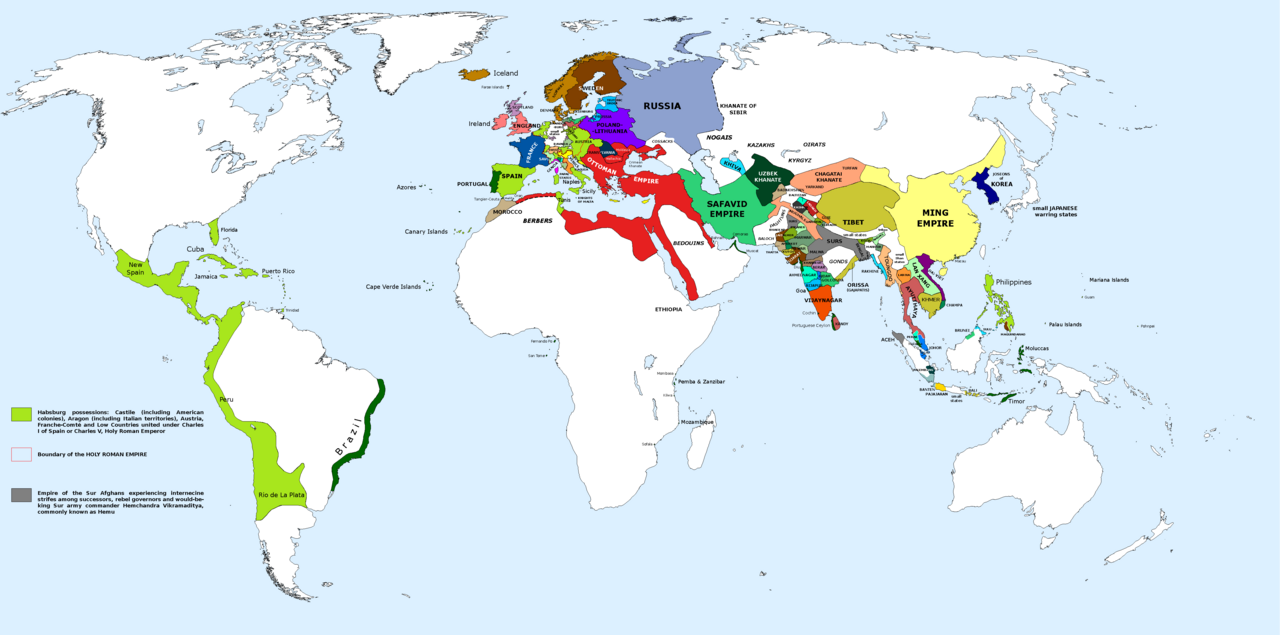
The 16th century was a period of intense maritime exploration and expansion, with Spain at the forefront. Following Christopher Columbus's groundbreaking voyages in the late 15th century, Spanish seafarers, explorers, and conquistadors ventured deep into the Americas, driven by ambitions of wealth, glory, and the expansion of the Spanish Empire. These expeditions didn't just facilitate the movement of people and goods; they ignited what historians refer to as the Columbian Exchange – a vast, intricate transfer of animals, plants, culture, human populations, technology, diseases, and ideas between the American and Afro-Eurasian hemispheres in the 15th and 16th centuries.
The Spanish discovery of the "New World" opened up unprecedented trade routes. What started as an initial quest for gold and spices soon evolved into a systematic exploration of new lands and their natural resources. It was during this era that European naturalists and botanists, often accompanying these voyages, began to document and collect the unique flora and fauna of the Americas. This inquisitive spirit directly led to the transfer of numerous species, including the sunflower, fulfilling the very premise of the question, "Was Stammt Ursprünglich Aus Amerika Und Gelangt Im 16 Jahrhundert Durch Spanische Seefahrer Nach Europa?". The sheer scale of this exchange had an irreversible impact on both continents, setting the stage for globalized food systems and economies.
The Sunflower's Transatlantic Voyage: From the Americas to European Shores
The sunflower (Helianthus annuus) holds a fascinating place in this historical narrative. Originally domesticated in what is now the southwestern United States and Mexico, evidence suggests indigenous peoples were cultivating sunflowers for over 3,000 years, possibly even predating corn. Native American communities utilized every part of the plant: the seeds for food, oil, and flour; the leaves for fodder; and the stalks for building materials and dyes. These vibrant, sun-tracking plants were not merely a source of sustenance; they held cultural and spiritual significance, often associated with fertility and life-giving power.
It was in the 16th century that Spanish explorers and traders, captivated by its striking beauty and imposing stature, brought sunflower seeds back to Europe. Initially, the sunflower was primarily cultivated as an ornamental plant, adorning botanical gardens and aristocratic estates. Its dazzling golden-yellow petals and impressive height made it a curiosity and a status symbol. Over time, European botanists and farmers recognized its agricultural potential. While it took a few more centuries for sunflower oil to become a widespread commodity, its initial introduction in the 16th century by Spanish seafarers laid the groundwork for its eventual global prominence as a source of cooking oil, edible seeds, and even animal feed. The spread of sunflowers across Europe is a perfect illustration of "Was Stammt Ursprünglich Aus Amerika Und Gelangt Im 16 Jahrhundert Durch Spanische Seefahrer Nach Europa."
From Ornament to Staple: The Evolving Role of Sunflowers in Europe
While the sunflower first graced European soil as an exotic spectacle, its journey didn't end there. By the 18th and 19th centuries, its practical uses began to be fully appreciated. Particularly in Eastern Europe, sunflower cultivation flourished, driven by its resilience and the valuable oil extracted from its seeds. Today, countries like Ukraine and Russia are among the world's leading producers of sunflower oil, a testament to the long-term impact of those 16th-century transatlantic voyages. The transition from a garden novelty to a major agricultural crop highlights the ingenuity and adaptability of European farming practices and the profound influence of American botanical imports.
Beyond the Sunflower: Other Gifts from the New World
While the sunflower is the direct answer to our historical quiz question, it's just one star in a constellation of American plants that transformed Europe. The Columbian Exchange brought forth a veritable feast of new foodstuffs, forever altering European agriculture, cuisine, and demographics:
- Potatoes: Perhaps the most impactful import, potatoes provided a calorie-dense, nutritious, and resilient crop that could grow in diverse climates. They played a crucial role in alleviating famine and fueling population growth across Europe, from Ireland to Russia.
- Tomatoes: Initially viewed with suspicion due to their relation to the poisonous nightshade family, tomatoes eventually became a cornerstone of Mediterranean cuisine, indispensable in Italian and Spanish dishes.
- Maize (Corn): A versatile grain, maize became an important food crop and animal feed, adapting well to European growing conditions and offering a higher yield than traditional grains.
- Chili Peppers: These fiery fruits revolutionized European and, subsequently, Asian cuisine, adding a new dimension of flavor and spice that was previously unknown.
- Cacao (Chocolate): Brought back as a bitter, ceremonial drink, cacao eventually evolved into the sweet confection we know and love today, captivating palates worldwide.
- Tobacco: Discovered as a plant used by indigenous peoples for ceremonial and medicinal purposes, tobacco's recreational use quickly spread across Europe, becoming a significant cash crop.
These American plants, many of which arrived in Europe via Spanish seafarers during the 16th century, didn't just change what people ate; they changed how people lived. They boosted nutrition, supported larger populations, stimulated new industries, and reshaped entire agricultural landscapes. This influx of biological diversity from the Americas to Europe is a critical aspect of understanding global history and the intricate connections between continents. For more insights into these fascinating historical journeys, you can explore Was Stammt Ursprünglich Aus Amerika Und Gelangt Im 16 Jahrhundert Durch Spanische Seefahrer Nach Europa - Article 1 and Was Stammt Ursprünglich Aus Amerika Und Gelangt Im 16 Jahrhundert Durch Spanische Seefahrer Nach Europa - Article 2.
The Lasting Legacy of 16th-Century Discoveries
The question, "Was Stammt Ursprünglich Aus Amerika Und Gelangt Im 16 Jahrhundert Durch Spanische Seefahrer Nach Europa?", serves as more than just a piece of historical trivia; it's a gateway to understanding the profound interconnectedness of our world. The actions of Spanish seafarers in the 16th century initiated a cascade of events that irrevocably altered global ecosystems, economies, and cultures. The introduction of American plants to Europe was a two-way street, of course, with European species like wheat, horses, and cattle making their way to the Americas, further shaping new agricultural practices and societies.
The impact of these transatlantic exchanges continues to resonate today. Our modern diet, global trade routes, and even our cultural understanding of food are direct descendants of these 16th-century interactions. From the vibrant sunflower fields of Eastern Europe to the ubiquitous potato in nearly every cuisine, the "gifts" from the New World, facilitated by Spanish exploration, have left an indelible mark on human civilization. Understanding this history gives us a richer appreciation for the complex journey of the food on our plates and the global forces that shaped our present world.
In conclusion, the sunflower's journey from the vast landscapes of the Americas to becoming a beloved plant and vital agricultural crop in Europe is a captivating story. It vividly illustrates how Spanish seafarers in the 16th century, driven by exploration and discovery, facilitated a biological exchange that continues to shape our world. This historical fact, though challenging for a quiz show contestant, underscores a pivotal moment in global history when the continents truly began to connect, bringing forth a new era of shared resources and cultural transformation.